
BRAIN + SPINE CARE
Precision Care for Complex Brain & Spine Conditions
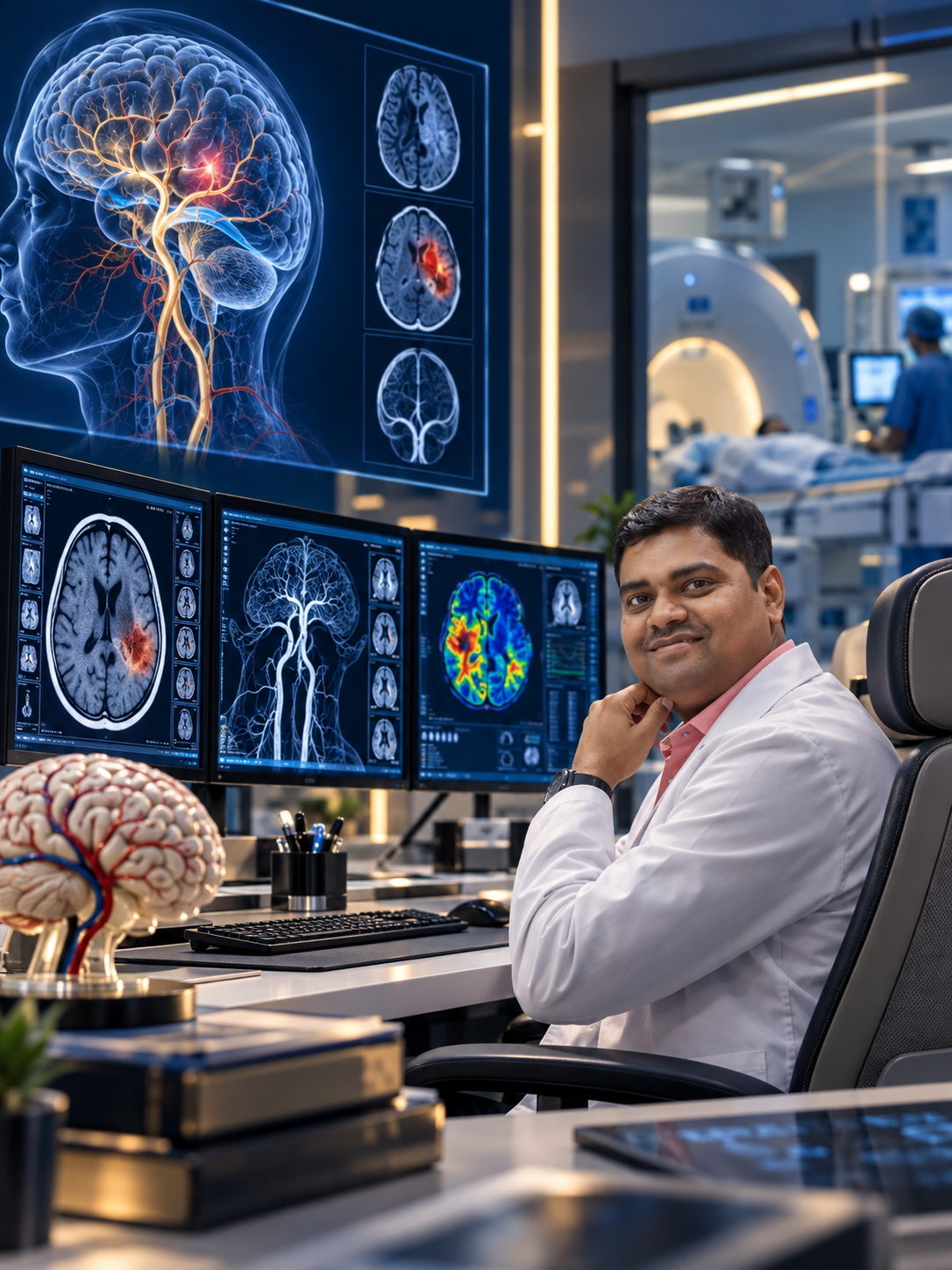
From emergency neurological conditions to complex brain and spine disorders, Dr. Bhagirath More provides specialist evaluation and surgical care focused on precision, careful planning and personalised treatment.
Conditions treated
Severe Brain Injury
Assessment and specialist management of significant traumatic brain injuries, with imaging and neurological evaluation guiding treatment.
Acute Extradural & Subdural Haematomas
Specialist evaluation of bleeding around or within the skull following head trauma, with treatment based on the size, location and clinical impact.
Acute Spinal Cord Injury
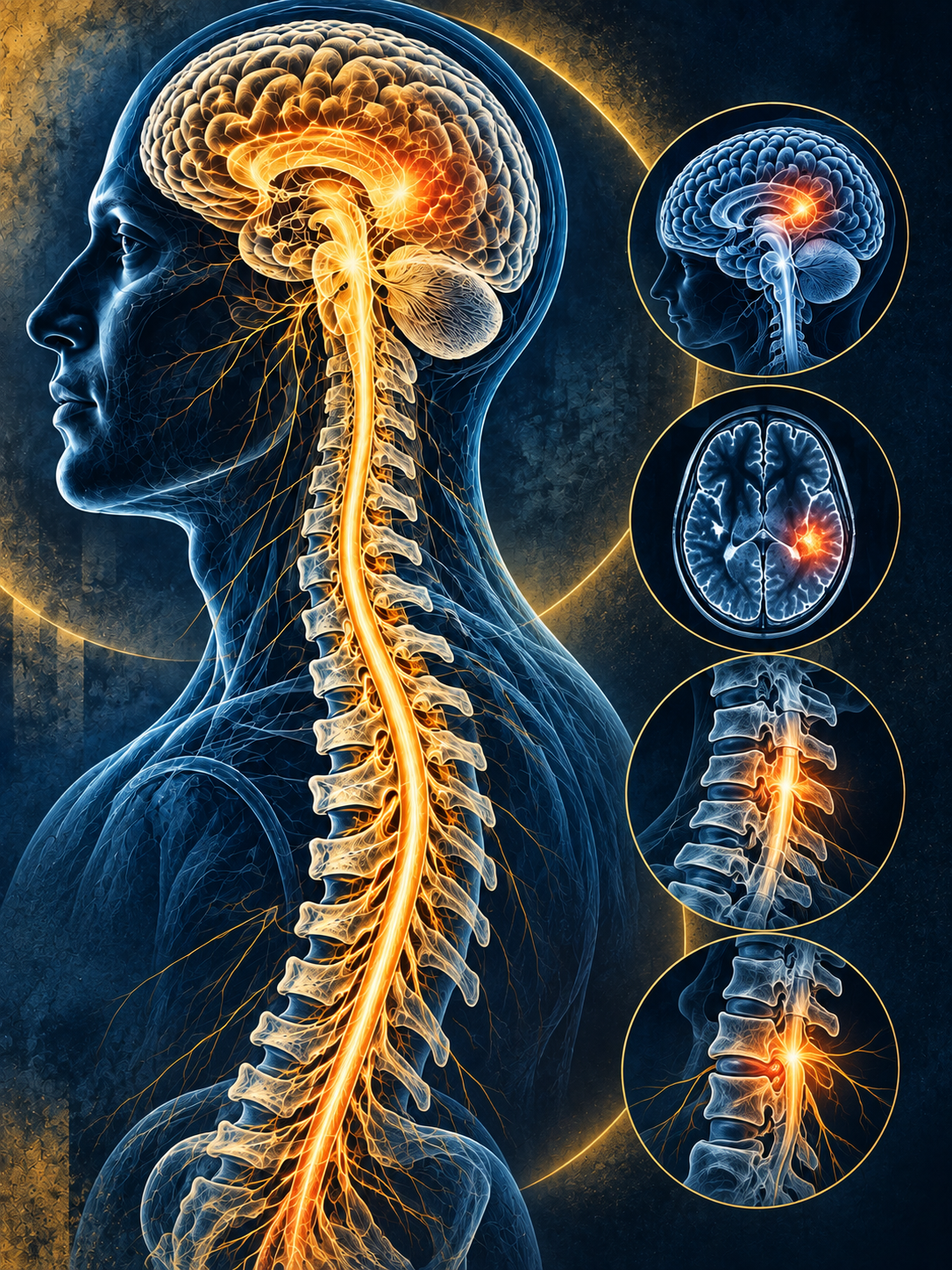
Assessment and management of traumatic spinal cord injuries, with attention to neurological function, spinal stability and neural compression.
Need Urgent Neurological Care?
Head Injury Management
When Every Second Matters, Precision Matters More
Head and spinal injuries can require rapid assessment and specialised neurological care. Treatment is guided by the severity and location of the injury, neurological findings and appropriate imaging.
For spinal cord injuries, timely assessment and appropriate acute management are important because the effects can vary significantly depending on the level and severity of injury.
Need Urgent Neurological Care?
Stroke & Neurovascular Care
Rapid Diagnosis. Focused Neurological Care.
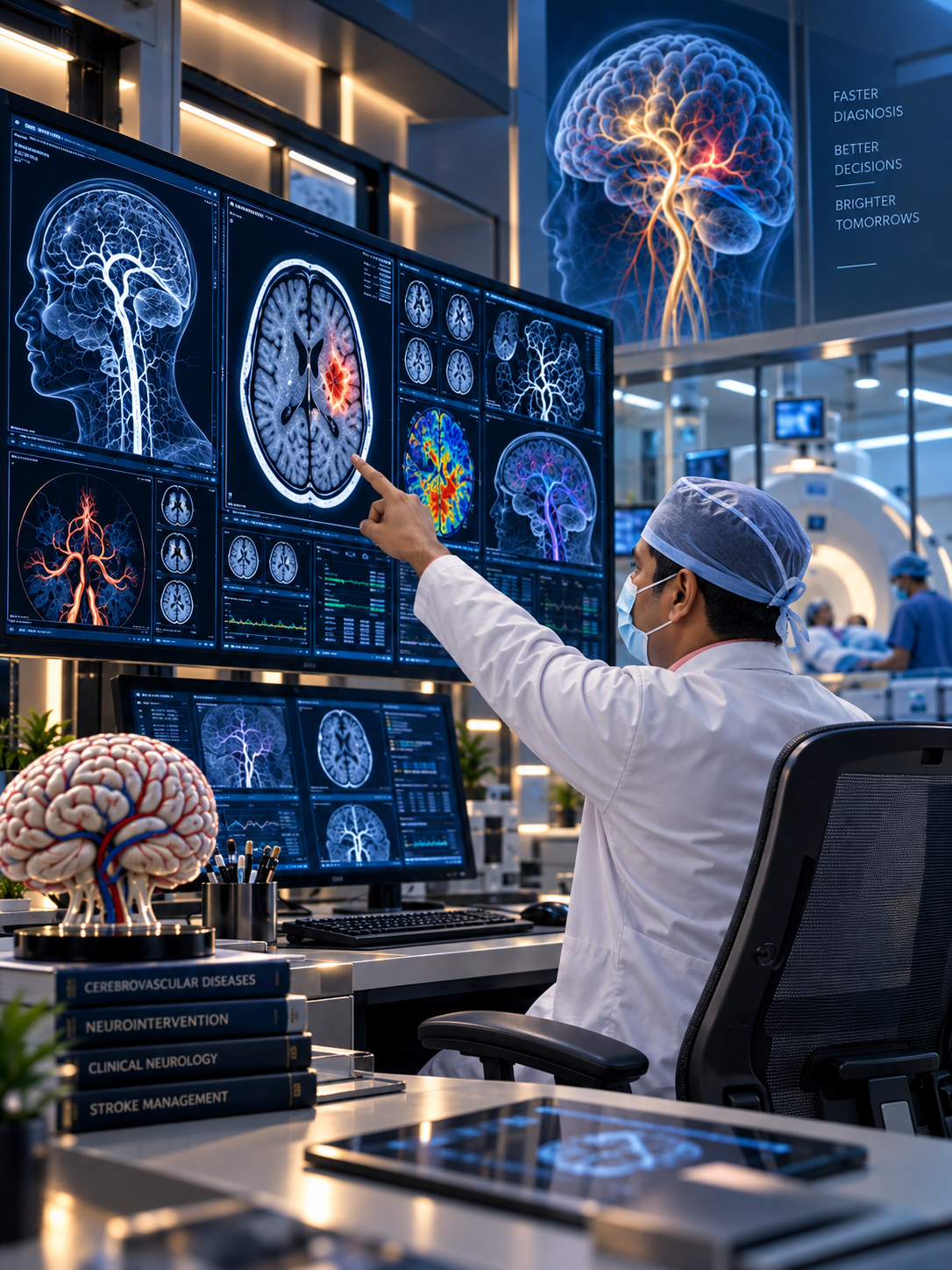
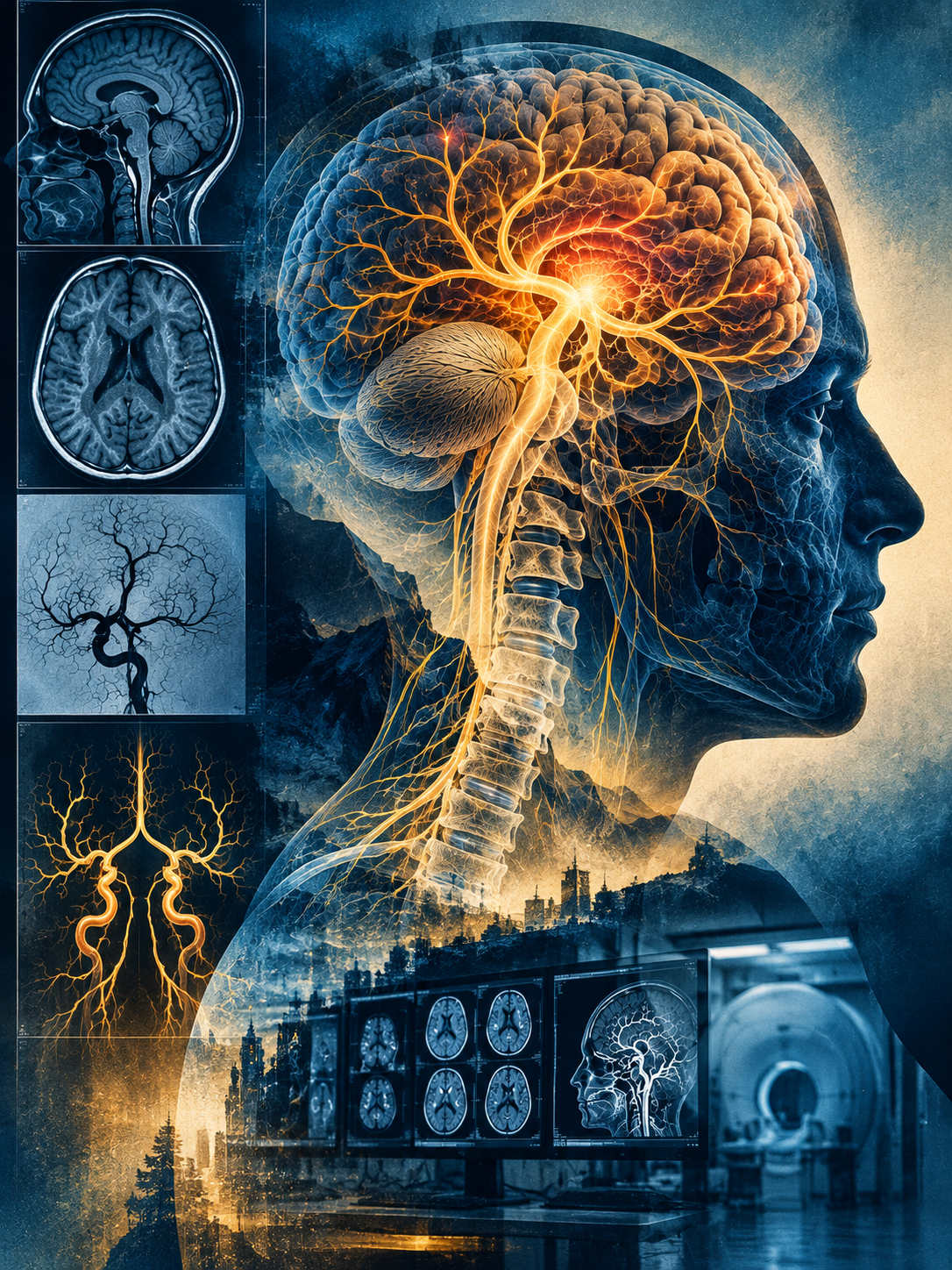
Stroke requires urgent medical attention. Rapid imaging helps distinguish between different types of stroke and guides the appropriate treatment pathway.
WHO describes ischemic and haemorrhagic stroke as major stroke types and notes that CT or MRI imaging is important in the acute evaluation of suspected stroke
Recognise the Signs. Act Without Delay.
Conditions treated
Ischemic Stroke
Stroke caused by interruption of blood flow to part of the brain, commonly due to a blocked blood vessel.
Hemorrhagic Stroke
Stroke caused by bleeding from a ruptured blood vessel within the brain.
Cerebral Venous Sinus Thrombosis (CVST)
A condition involving thrombosis in the brain’s venous drainage system, requiring specialist neurological and imaging assessment.
Recognise the Signs. Act Without Delay.
Treatment areas
Brain & Spine Tumour Surgery
Specialist surgical evaluation and treatment planning for selected brain and spinal tumours, based on tumour location, characteristics and the patient’s overall condition.
Cervical & Lumbar PIVD /Disc Prolapse / Herniation
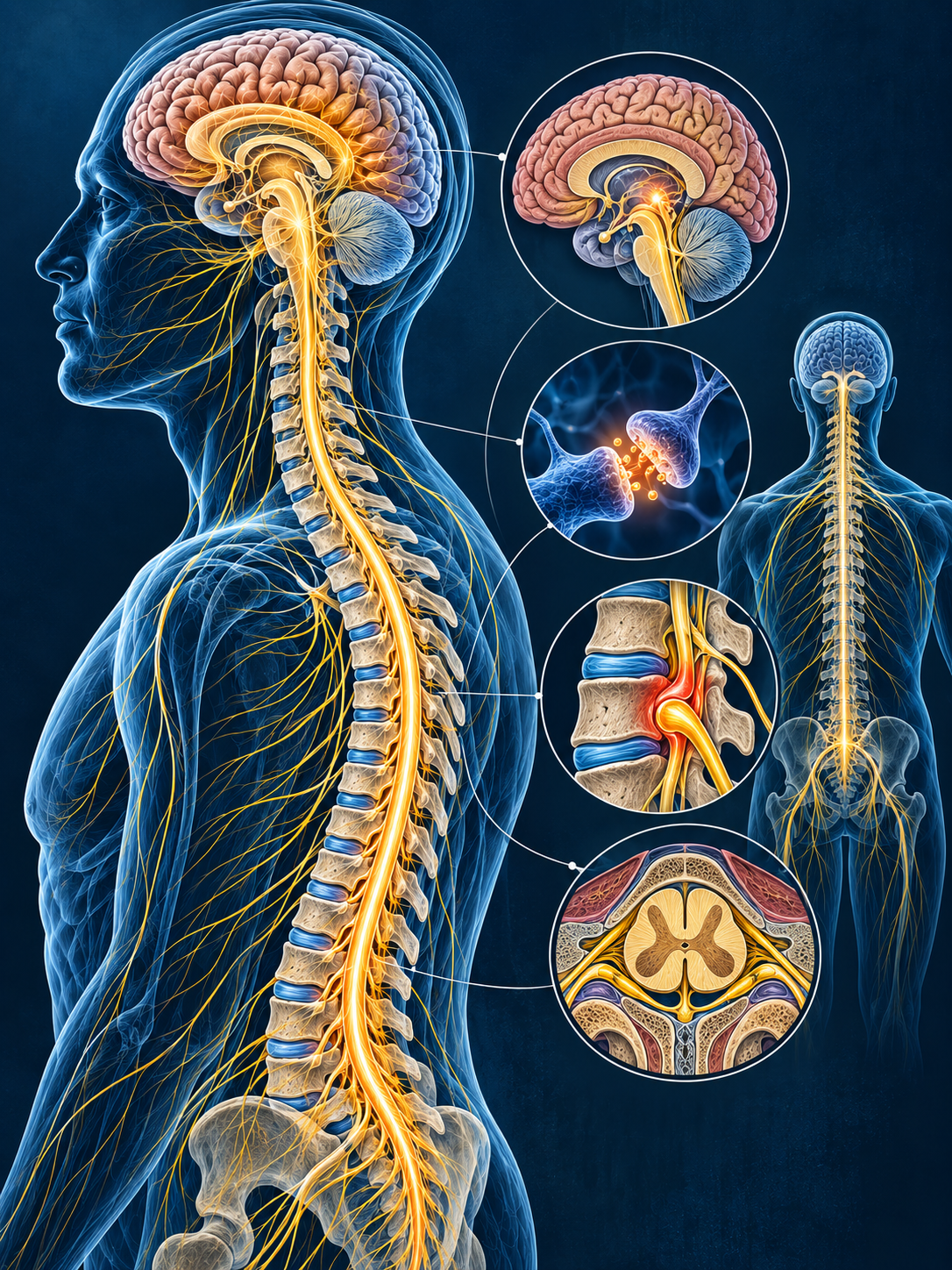
A prolapsed or herniated disc can compress nearby nerves and cause pain, numbness, tingling or weakness. Treatment depends on symptoms, neurological findings and imaging.
Brain Aneurysm & AVM SurgeryMicrosurgical management of selected vascular conditions such as brain aneurysms and arteriovenous malformations, with detailed imaging and careful surgical planning.
Understand Your Treatment Options
MICROSCOPIC & ENDOSCOPIC BRAIN + SPINE SURGERY
Advanced Technology. Microsurgical Precision.
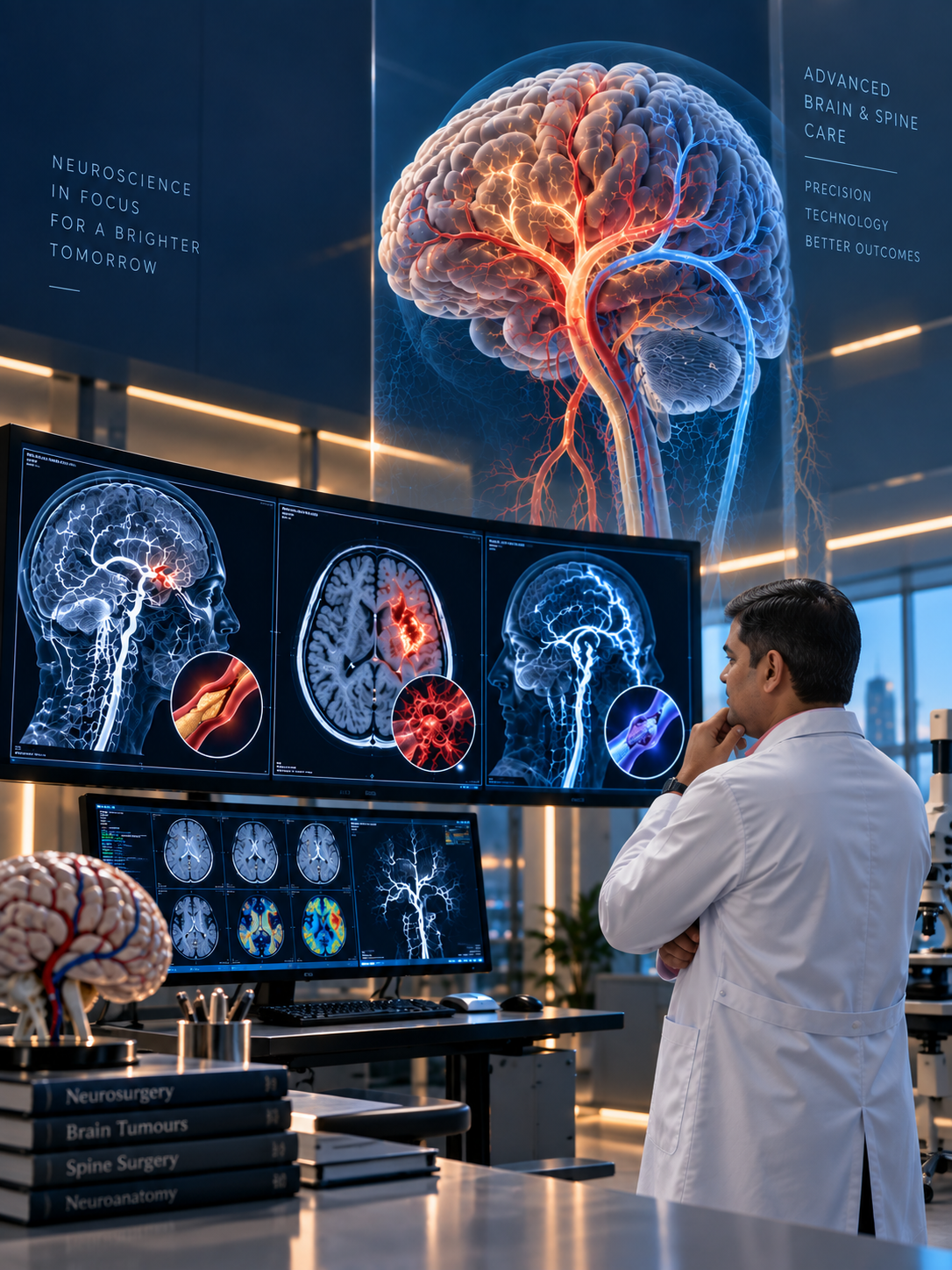
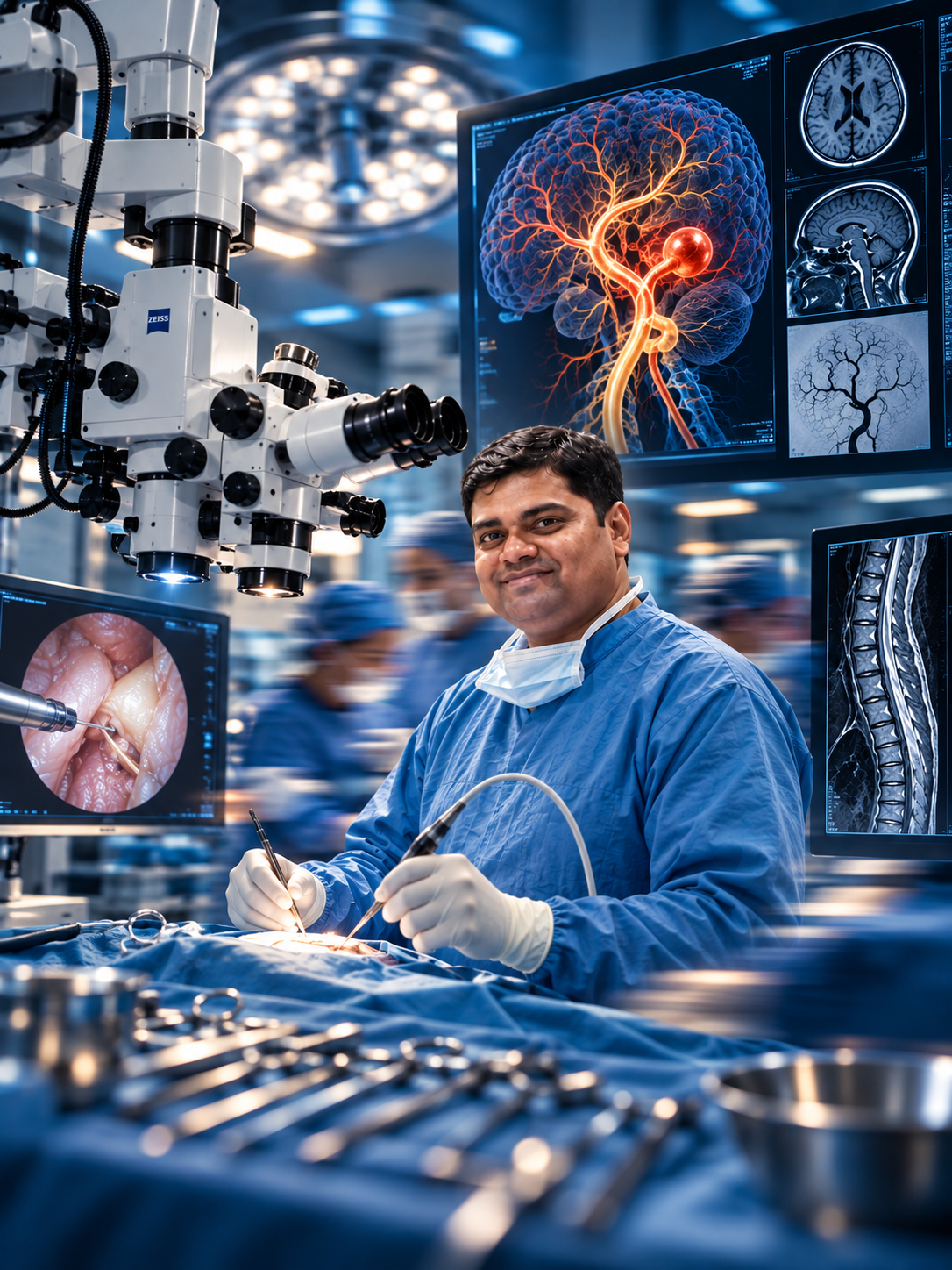
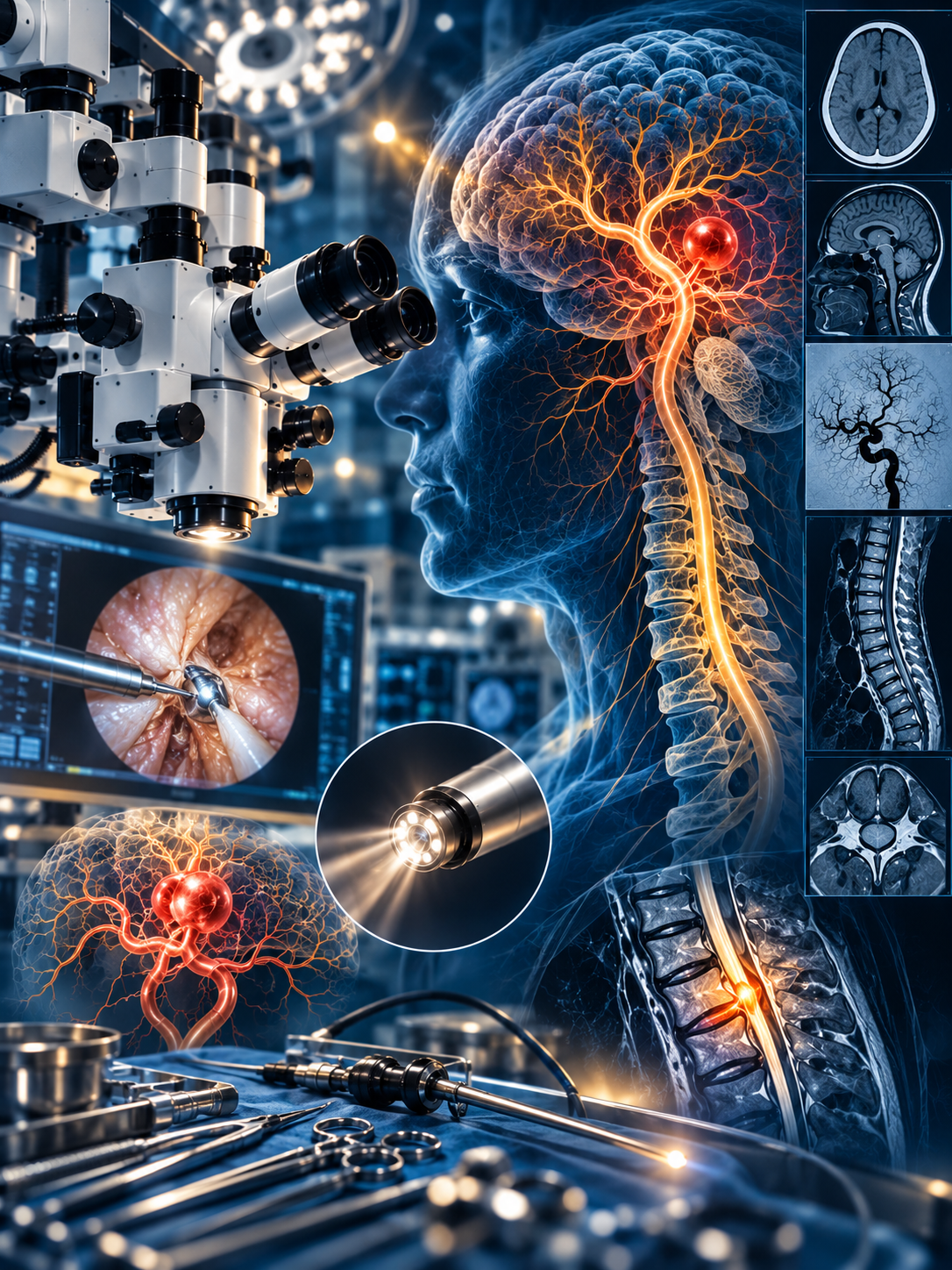
Complex neurological and spinal conditions may require highly precise surgical techniques. Treatment is planned around the individual condition, anatomy and imaging findings, with the aim of addressing the underlying problem while preserving surrounding neurological structures wherever appropriate.
Complex brain and spine conditions often require more than conventional surgical techniques. Microscopic and endoscopic approaches use magnified visualisation, specialised instruments and carefully planned surgical access to reach affected areas with precision.
Understand Your Treatment Options
ENDOSCOPIC SPINE SURGERY
Smaller Access. Precise Treatment. Focused Recovery.
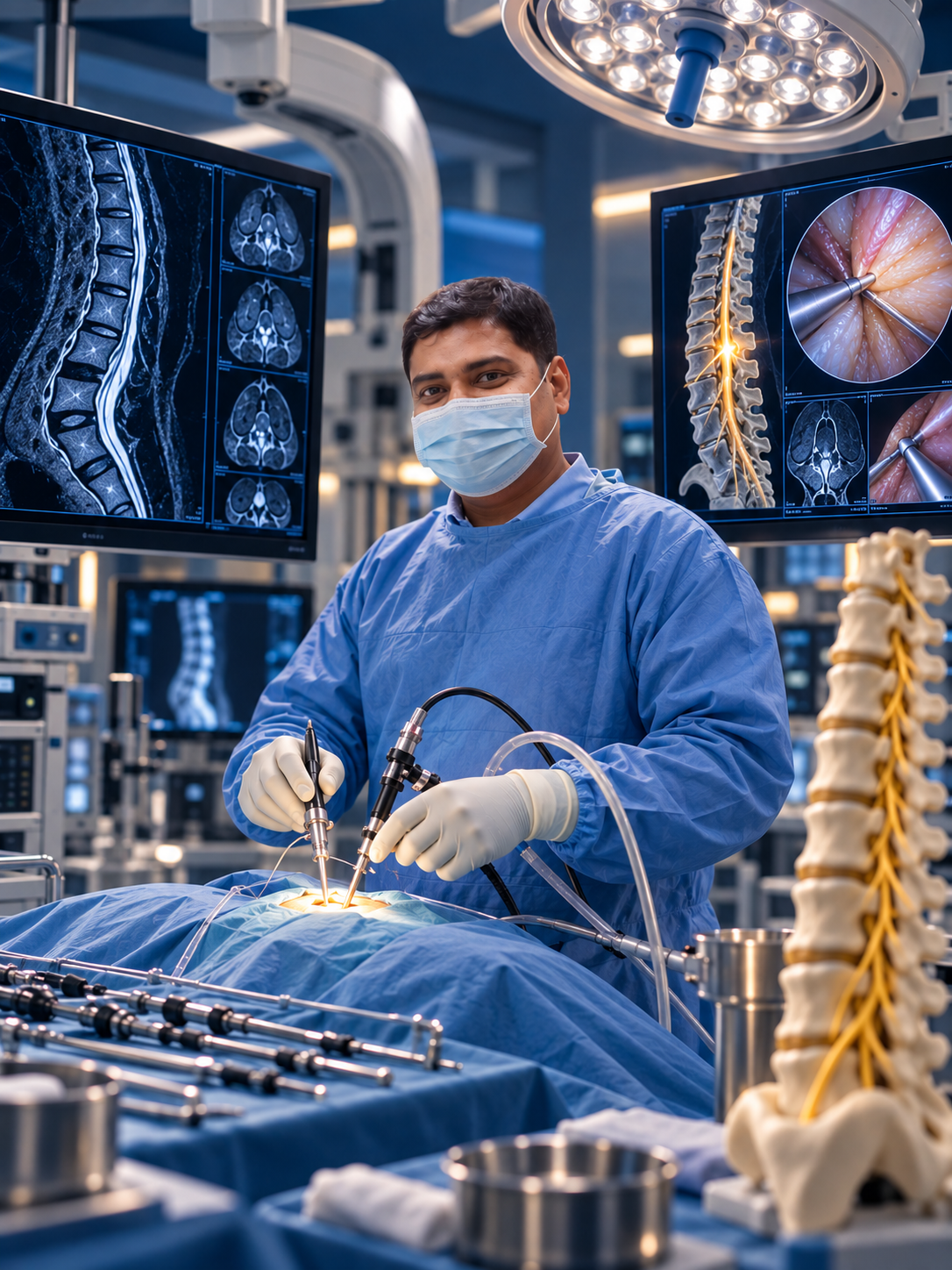
Endoscopic spine surgery uses a small access pathway and a camera system to allow the surgeon to visualise and treat selected spinal conditions. The appropriate technique depends on the spinal level, anatomy and condition being treated
WHO describes ischemic and haemorrhagic stroke as major stroke types and notes that CT or MRI imaging is important in the acute evaluation of suspected stroke
Could Minimally Invasive Spine Surgery Be Right for You?
Conditions treated
Endoscopic Discectomy
Removal of the portion of a prolapsed disc that is compressing a nerve, using an endoscopic approach in appropriately selected patients.
Endoscopic Spinal Fusion
A minimally invasive fusion approach using specialised instruments and a camera system in selected patients where spinal stability or other clinical factors make fusion appropriate.
Small disclaimer beneath the cards:
The suitability of endoscopic or minimally invasive surgery is determined after clinical examination and appropriate imaging.
Could Minimally Invasive Spine Surgery Be Right for You?
The Right Treatment Starts With the Right Diagnosis
Every Brain & Spine Condition Is Different. So Is Every Treatment Plan.
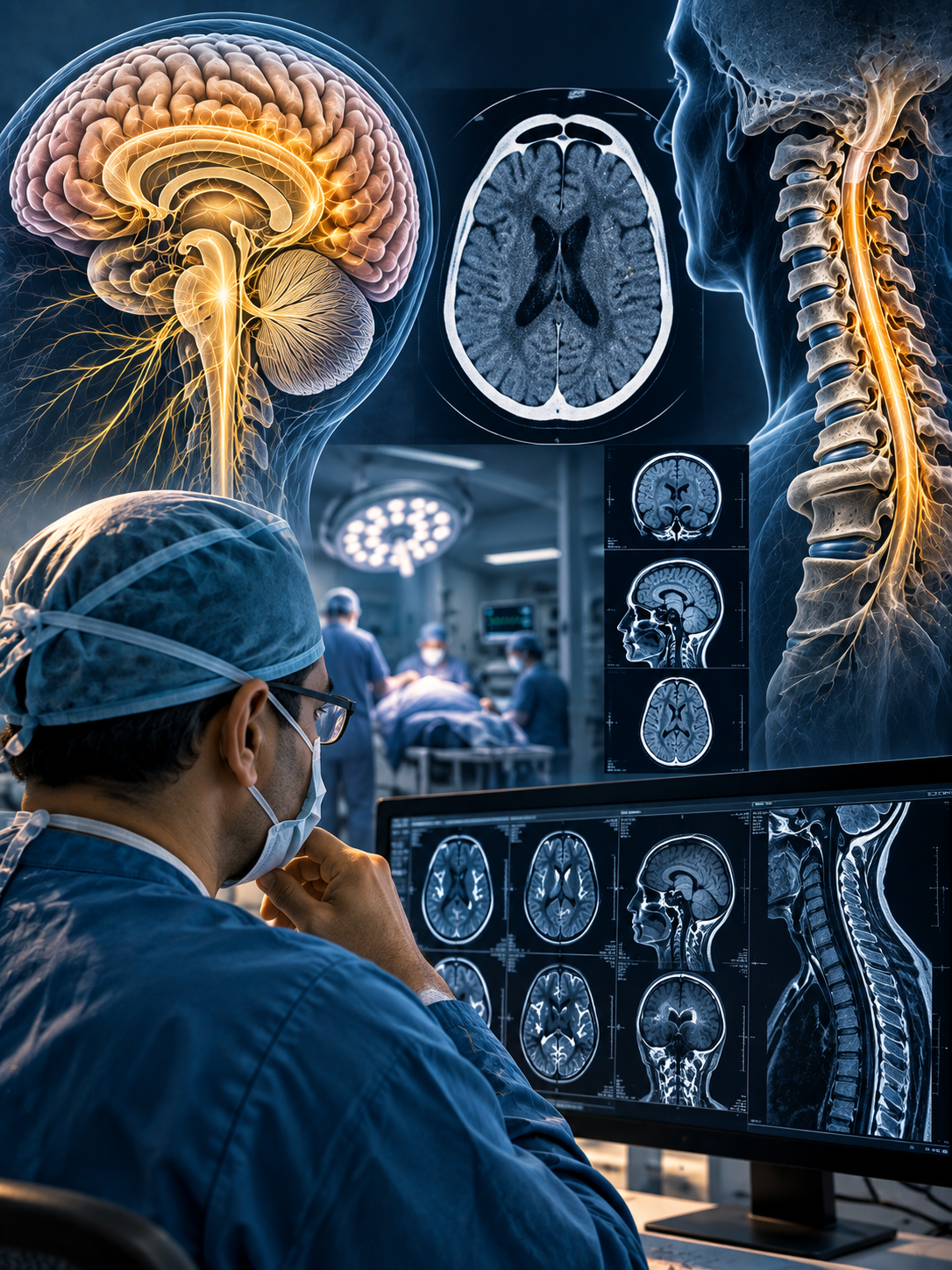
A thorough clinical assessment, neurological examination and review of appropriate imaging help determine the most suitable treatment approach. Depending on the condition, care may involve observation, medication, rehabilitation, minimally invasive procedures or surgery.
CONSULTATION → IMAGING → DIAGNOSIS → TREATMENT PLAN → RECOVERY